Recurring pain and tension. Movement and recovery, together.
Still uncomfortable after tests or treatment? For recurring headache, neck, shoulder or jaw symptoms, we review previous care and assess current muscle, joint and neurological function, movement, sleep and recovery. Care for visitors and residents, planned with you.
Acupuncture Experience ₩120,000Consultation + standard treatment · without assessment testsFirst visits welcome. Fees shown without Korean National Health Insurance.
Listed fees apply without Korean National Health Insurance, whether you are visiting or residing here. If you are insured, ask us about applicable fees. Placenta pharmacopuncture and herbal prescriptions are separate, optional additions.
YOUR FIRST VISIT / YOUR OWN PACE
NEW TO ACUPUNCTURE?
Acupuncture Experience.
A thoughtful introduction. A visit built around you.
Start with a consultation and examination, understand the proposed care, and receive treatment selected for your condition. There is time to ask questions before you begin.
Experience consultation and standard treatment without HRV, APG or BWA tests for ₩120,000, including on your first visit. Assessment + standard treatment is available for ₩160,000. Fees apply without Korean National Health Insurance.
A first-visit program combining assessment with standard treatment, with review of your symptoms, health history and movement.
Allow around 60 minutes; leave extra time when needed. Assessments are discussed before you decide.
OPTIONAL ADD-ON
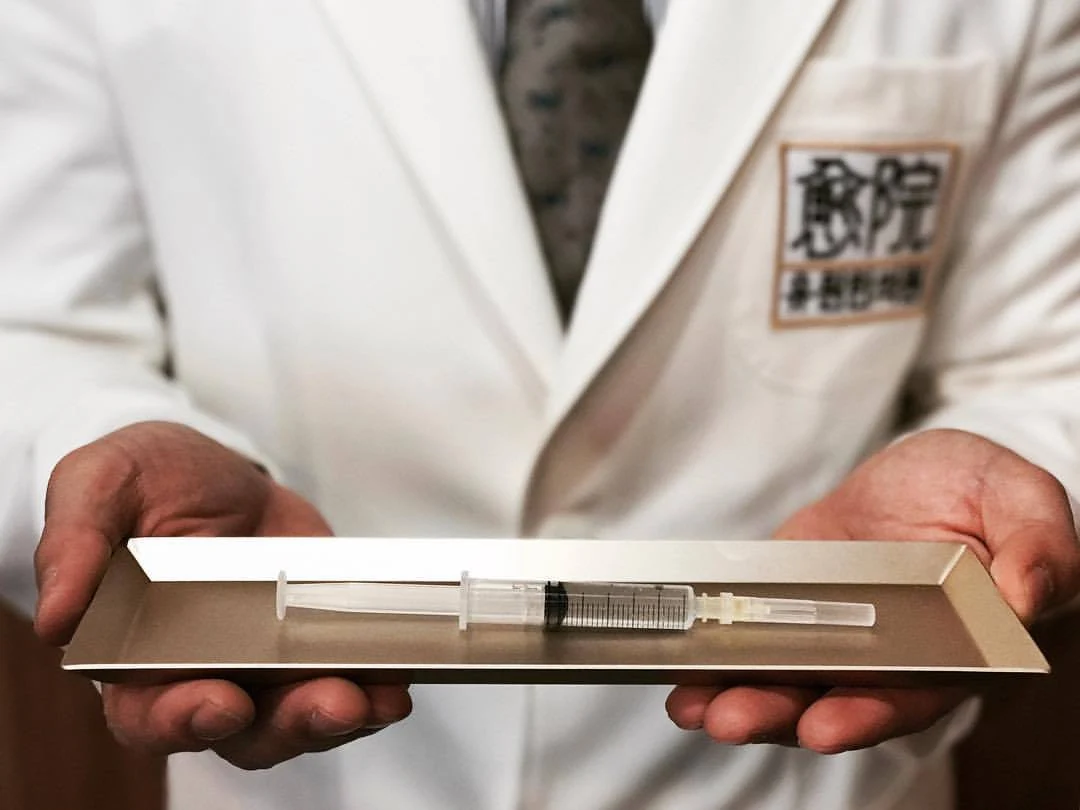
Placenta pharmacopuncture
+₩40,000 / syringe
An optional injection of human placenta-derived extract (Jahageo / 자하거) at selected treatment sites. We explain the actual ingredients, preparation source, suitability, allergy risks and cost before you decide. Injection-site pain, bruising, swelling and allergic reactions are possible.
Added to the selected visit. Herbal prescriptions are separate.
Choose the Experience without assessment tests for KRW 120,000, including on your first visit, or assessment + standard treatment for KRW 160,000. Assessment tests are optional and discussed before you decide. Treatments are chosen for your condition; every method is not required at every visit. If you have Korean National Health Insurance, tell us when booking so we can explain the applicable fees.
English online booking is provided by Naver; a Naver account may be required. Need help? Ask us on Instagram or call +82-2-3443-1775. Enquiries become appointments only when confirmed by the clinic or Naver.
01 / OUR CAREVISITING SEOUL OR LIVING HERE?
What brings you to YOU ONE?
Start with the reason for your visit. We plan care around your needs, activities and time in Korea.
MOVEMENT
Understand pain. Reconnect movement.
Recurring neck or shoulder pain after desk work, travel or exercise? We assess symptoms, movement and daily load, considering sleep, tension and recovery when relevant. Your plan fits your condition and time in Seoul.
Scalp acupuncture uses needles in the scalp. Needling sites and optional electrical stimulation follow symptom and neuromuscular assessment, including associated head, neck or jaw discomfort.
Scope & precautions
Sites and stimulation are adapted to your assessment and response. Soreness, bleeding, bruising and rarely infection can occur. Tell us about medication and bleeding problems; sterile single-use needles are used.
02 / MANUAL THERAPY
Chuna · craniosacral therapy
Chuna addresses joint movement and muscle tension. Craniosacral therapy (CST) uses gentle manual contact around the head and neck, considered for associated tension and your preference.
Scope & precautions
Research on condition-specific benefits of CST remains limited. We consider your condition and preferences before using it. Tell us about discomfort or dizziness so the approach can be adjusted.
03 / HERBAL MEDICINE
Individual prescriptions
Based on your symptoms and health history, with review of current medication and a separate cost discussion.
04 / PLACENTA PHARMACOPUNCTURE
Placenta pharmacopuncture
An optional injection using human placenta-derived extract (Jahageo / 자하거). We discuss ingredients, preparation source, allergy risks and suitability before treatment.
Your plan may combine treatments and movement guidance. For patients without Korean National Health Insurance, see the international treatment menu. We explain your plan and any optional additions before treatment.
Bring reports if you have them; they are helpful, not required. We assess current symptoms and function and discuss a plan, optional assessments and costs before proceeding.
Persistent post-concussion symptoms
After initial medical evaluation, ongoing headache, dizziness, visual discomfort, neck pain, fatigue, poor sleep or exercise intolerance can be discussed. Relevant cervical and neurological checks, vestibular or eye-movement symptoms, standing symptoms and exercise response are considered within the scope of the visit. We plan care for the symptoms that remain, with appropriate cervical, vestibular or graded exercise rehabilitation, and review your response as you return to daily activities.
Rapidly worsening headache, repeated vomiting, new weakness, speech difficulty or altered awareness after injury needs urgent medical assessment. Call 119 or seek emergency care rather than waiting for an appointment.
Yips · musician’s hand dystonia · movement control
We observe the actual playing or sports task and assess sensation, movement patterns and task-specific difficulty. Sensory feedback and graded movement retraining may be discussed, with acupuncture, electroacupuncture or scalp acupuncture as individual adjuncts. We explain the proposed approach, set individual goals and review changes in the actual task. You can also ask about assessment for cervical dystonia.
YOUR SELECTED AREAMOVEMENTNeck, shoulder & recurring painChange area
01 / 04
TEST · MOVEMENT
Start with your story and your movement.
Previous diagnoses and treatment are respected. The symptoms and functional difficulties that remain, your health history and goals guide the examination. We review relevant previous reports and discuss additional assessment when appropriate.
History and physical examination
Movement, strength and function
Optional assessments explained before proceeding
YOU ONE · FUNCTION & RECOVERY
Why do pain and physical symptoms keep returning?
We start with physical symptoms and look at movement, nervous-system function and everyday recovery to agree on care priorities.
Muscle and joint problems, poor sleep, stress and heightened nervous-system tension can contribute to symptoms or make recovery harder. Your history and examination help us decide what is relevant for you.
BODY
Structure & movement
Pain, muscle tension, joint movement and muscle function.
BRAIN
Nervous-system regulation
Nervous-system function, tension responses and sensory–motor control.
RECOVERY
Recovery & daily life
Sleep, fatigue, activity and function in work, sport or performance.
These are connected perspectives within your clinical visit. For example, jaw pain may involve jaw movement, neck tension, sleep and stress together. They are not a separate package.
What might your visit include?
Neck, shoulder & back painMOVEMENT
Pain or stiffness that returns with sitting or movement? We review repeated loads, working positions and sleep.
Assessment
We examine joint movement, strength, sensation and relevant neurological signs.
Care & review
Acupuncture, electroacupuncture, manual care or pharmacopuncture may be selected, with suitable exercise. We reassess the same movement, range and daily sitting or walking.
Pain with chewing or morning jaw and temple tension? We consider clenching, neck tension, sleep and stress together.
Assessment
We assess mouth opening, jaw muscles, neck movement, headache pattern and previous dental or neurological care.
Care & review
Selected acupuncture, manual care, pharmacopuncture and daily habits are discussed. We review chewing, opening, headache frequency and sleep-related discomfort.
Difficulty sleeping or persistent fatigue? We review sleep schedules, activity, medication and situations that worsen symptoms.
Assessment
Sleep and fatigue records, previous tests and health history guide assessment, including evaluation for other causes when needed.
Care & review
Acupuncture or an individual herbal prescription may be discussed alongside sleep and activity planning. We review sleep onset, waking, daytime function and recovery after activity.
Tension, palpitations or digestive discomfort with stress? We also assess physical pain and muscle tension that remain while you receive mental-health care.
Assessment
We review symptoms, daily context, medication and existing care, with physical or postural assessment when relevant. HRV, APG and BWA are optional; HRV alone does not establish a diagnosis.
Care & review
Selected acupuncture, manual care, herbal prescriptions or breathing and activity guidance may complement care. We review physical symptoms, sleep and daily function. Continue mental-health care and do not stop prescribed medication without your prescriber.
Sports injuries & return to activityMOVEMENT · PERFORMANCE
Ongoing discomfort after injury or uncertainty about returning to sport? We review injury history, training load, rest and next-day symptoms.
Assessment
We assess range, strength, balance and sport-specific movements, considering previous surgery and investigations.
Care & review
Selected treatment and progressive rehabilitation are discussed. Movement quality, post-activity symptoms and training function guide return-to-sport decisions.
Freezing, trembling or loss of control in playing, swinging or vocal tasks? We consider the specific demands of athletes and performing artists.
Assessment
We assess the actual task, sensory and motor function and previous neurological diagnosis or care. Yips is not automatically attributed to a psychological cause or dystonia.
Care & review
Task-based sensory and movement retraining and load adjustment guide the plan, with adjunct treatment when appropriate. We review task control, endurance and daily function, and coordinate neurological care when needed.
We treat physical symptoms and function alongside existing care. This does not replace psychiatric treatment or specialist neurological care. Proposed tests and treatments are selected for you; results vary.
Choose the existing 60-minute first-visit or 40-minute follow-up booking. HRV, APG and BWA assessments are optional and explained before you decide.
Want less worry about pain, and more room for life?
Only what you need. Precisely selected.
Driving, eating, working and enjoying exercise: start with what you want to do more comfortably. We assess your symptoms and movement, explain the next steps, and select any pharmacopuncture preparation and treatment sites through examination.
Dr. Kyuhyeong Kim · Former Education Committee Member, 대한면역약침학회
General preparations: KRW 40,000 per syringe, added to your visit fee. Ginseng and combination programs have separate rates. We explain the total beforehand.
Ingredients, preparation source and allergy history are checked, and risks explained before treatment.
Yes. English consultations are available, and translation apps can be used when helpful. Tell us your main concern and any language preferences when booking.
How do I book in English?+
Use Naver Booking in English. Choose “First time visit” if this is your first appointment. Naver provides automatic English translation and may require a Naver account to complete your booking. You can also call +82-2-3443-1775 or message our official Instagram account for appointment enquiries. A message is an enquiry; your appointment is confirmed by the clinic or Naver.
Can I visit during a short stay in Seoul?+
Yes. Tell us your travel dates, main concern and the activities you want to return to. We assess whether care is appropriate and discuss what can be planned during your stay, along with practical aftercare. Follow-up needs depend on your condition.
What does a visit cost without Korean National Health Insurance?+
Acupuncture Experience without assessment tests: KRW 120,000, including on your first visit. Assessment + standard treatment: KRW 160,000. Standard follow-up treatment: KRW 120,000. Optional placenta pharmacopuncture: an additional KRW 40,000 per syringe. Herbal prescriptions are charged separately. See the international treatment menu and discuss optional additions before treatment.
Are additional tests required?+
HRV (heart rate variability), APG (pulse-wave assessment) and BWA (body-water analysis) are recommended optional assessments when relevant. These tests are not included in the KRW 120,000 Acupuncture Experience. Assessment is included in the KRW 160,000 assessment + treatment program. We explain the proposed assessments before you decide. The standalone assessment fee is KRW 40,000, separate from standard treatment.
What should I bring?+
Bring a list of current medication, relevant test or imaging reports, and your insurance details if applicable. Wear clothing that allows comfortable movement and access to the area being assessed.
FIND USAPGUJEONG RODEO · EXIT 3
See you in Cheongdam.
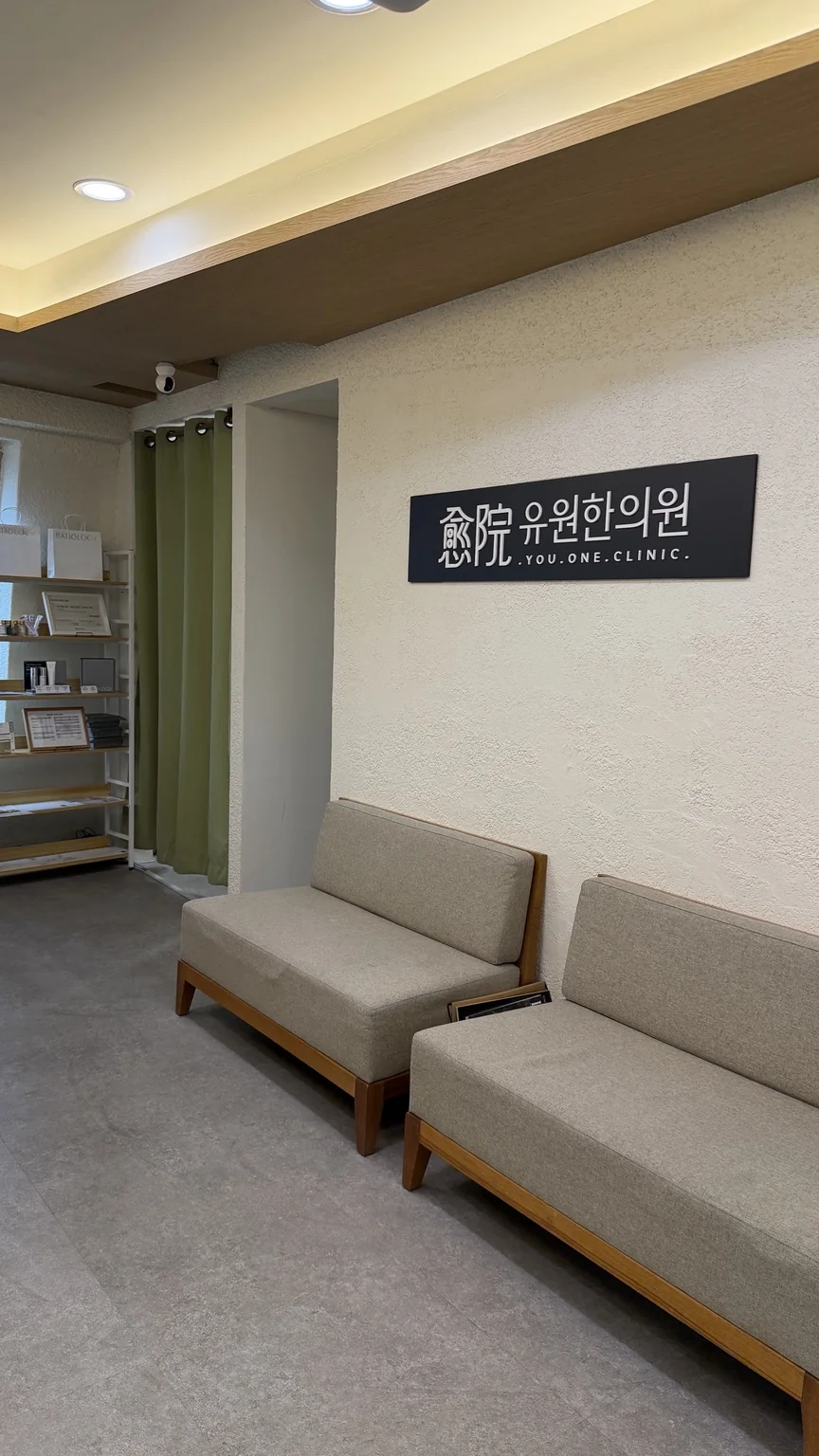
YOU ONE Korean Medicine Clinic 5F, 28 Dosan-daero 75-gil, Gangnam-gu, Seoul, Republic of Korea 서울 강남구 도산대로75길 28, 다우빌딩 5층
Apgujeong Rodeo Station · Suin–Bundang Line · Exit 3. The clinic is on the fifth floor. Look for the name 유원한의원.
All times are Korea Standard Time (UTC+9). Check the latest schedule with the clinic or Naver Place before visiting.
Parking
Valet parking: KRW 5,000. Nearby paid parking is also available. Please confirm current arrangements before your visit.
04 / MEET YOUR DOCTOR
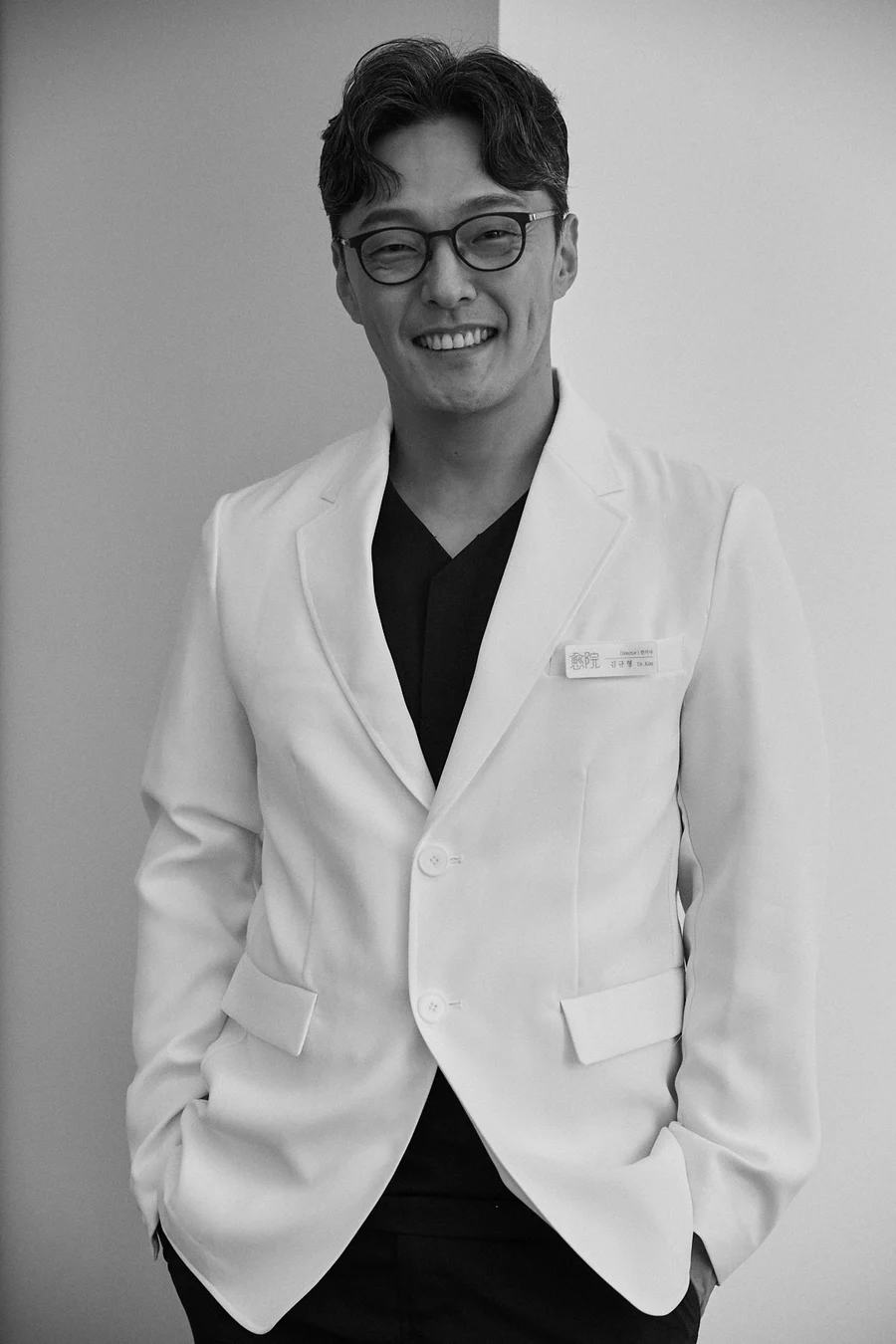
Kyuhyeong Kim
김규형 · Korean medicine doctor Director, YOU ONE Clinic
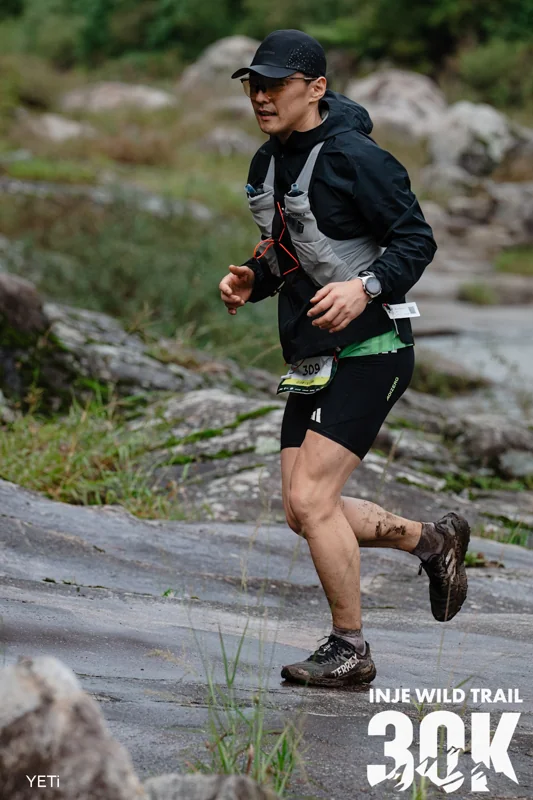
An engineering background informs a careful look at how the body moves and responds. In clinical practice since 2012, Dr Kim connects examination and treatment with the goals of daily life and sport.
Education
Electrical Engineering, Seoul National University School of Korean Medicine, Pusan National University Master’s degree in Korean medicine
Sports medicine experience
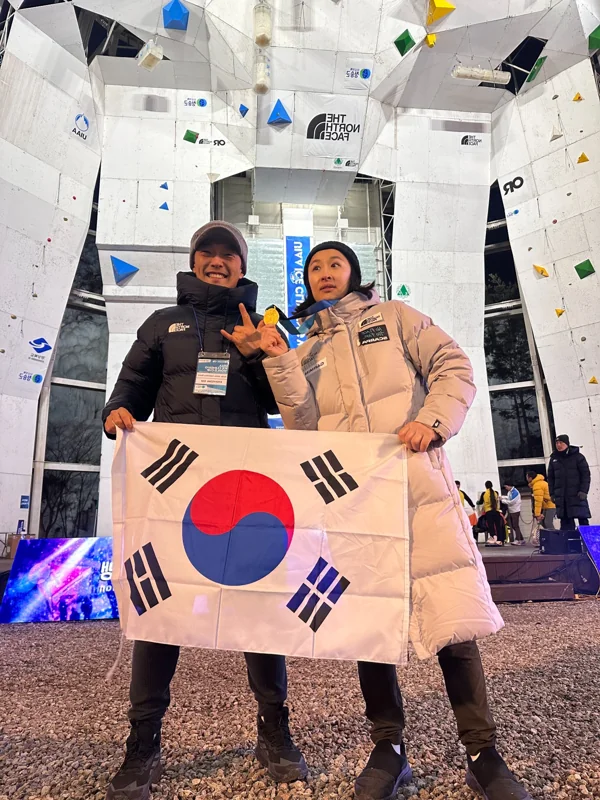
Clinical service at the Athletes’ Village hospitals for the Incheon Asian Games and the Gwangju Universiade
Clinical interests
Pain rehabilitation, jaw function, autonomic symptoms, and return to activity